Benefits of an Electronic Document Archive
March 22, 2024
Business Tips
Business Tips
Document Archive
As information moves faster and expectations for availability and security rise, paper archives become harder to manage. An electronic document archive makes records searchable, controlled, and available to authorized teams while reducing physical storage and handling.
Greater Operational Efficiency
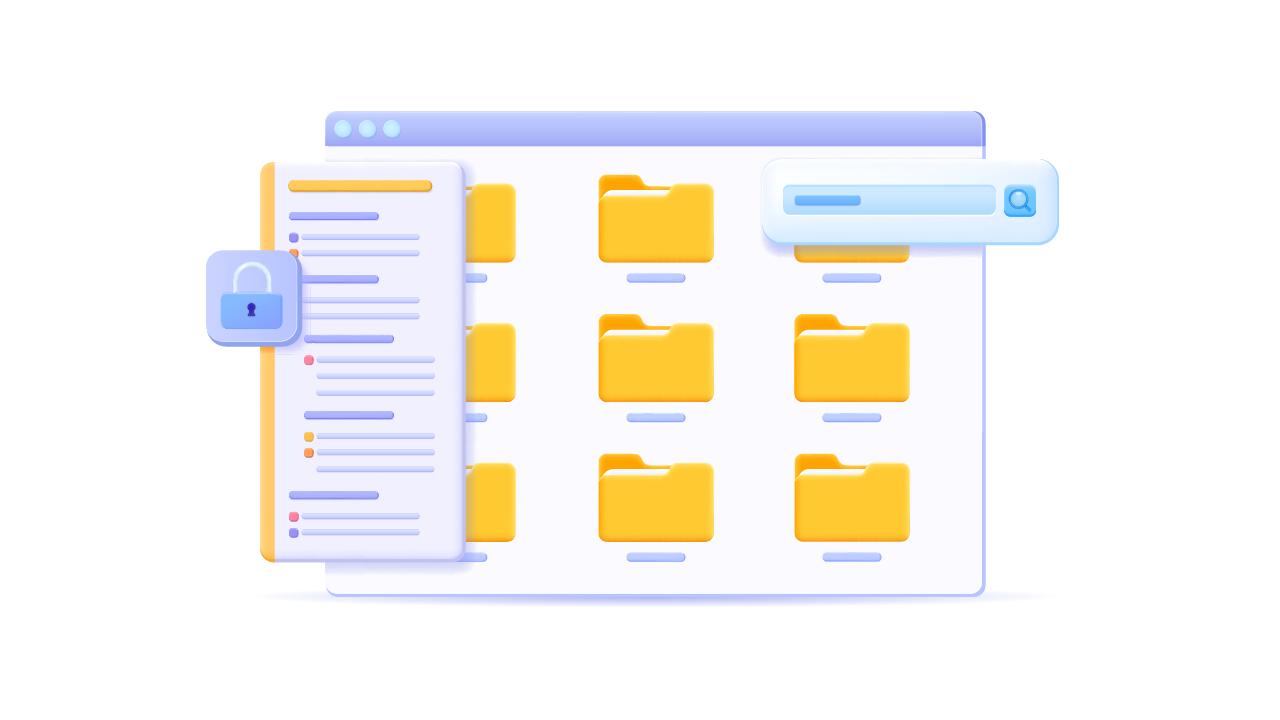
Paper archives can turn a simple search into minutes or hours of work, especially when records are split across locations. An electronic archive retrieves documents by keyword, name, date, and metadata within seconds.
Approval, routing, and archiving workflows can also be automated. Alerts, reminders, and validation rules help teams process every document consistently and reduce omissions or manual mistakes.
Lower Document Management Costs
- Office supplies: less paper, printing, copying, and equipment use.
- Storage: less space required for physical archives.
- Operations: fewer manual steps and corrections.
- Energy: reduced printing and physical archive infrastructure.
Beyond direct savings, faster retrieval and automated routing improve the wider process in which each document is used.
Security and Data Protection
- Backup and recovery: controls reduce the impact of hardware failure, disasters, and human error.
- Access management: permissions limit sensitive records to authorized people and groups.
- Audit history: the system records access, edits, and deletion activity.
- Cybersecurity: updates, encryption, and security controls protect digital records.
- Regulatory support: structured controls help organizations meet GDPR and relevant industry requirements.
A managed archive provides stronger visibility and recovery options than uncontrolled paper or shared-drive storage.
Regulatory Compliance
Electronic archives can adapt to new legal requirements without reorganizing a physical records room. Retention rules can remove records at the end of their approved period, while audit histories provide evidence during reviews and inspections.
Encryption, anonymization, access control, and traceable activity support the protection of personal and sensitive data. These tools do not replace legal analysis, but they make approved retention and privacy rules easier to apply consistently.
Remote and Mobile Work
- Secure access across locations: authorized employees can retrieve the information they need.
- Real-time collaboration: teams can share, edit, and comment on current records.
- Faster information flow: documents move between departments and locations without physical delivery.
- Employee experience: flexible access supports distributed work.
- Controlled remote access: permissions and security policies remain in force outside the office.
This infrastructure helps maintain business continuity and coordinated work across distributed teams.
Environmental Impact
- Less paper: electronic records reduce printing and the transport associated with paper.
- Less physical infrastructure: fewer archive rooms require lighting, heating, and cooling.
- Less waste: fewer obsolete paper records need disposal.
- Support for environmental programs: document digitization can contribute to broader corporate responsibility initiatives.
A Controlled Foundation for Business Records
An electronic archive combines rapid retrieval, lower handling effort, access controls, auditability, remote collaboration, and reduced dependence on paper. It supports both day-to-day efficiency and long-term information governance.
Organizations should align the archive with approved retention, security, and process rules so that the technology reinforces how records are meant to be managed.