Electronic Invoice Workflow
March 18, 2024
Finance
An electronic invoice workflow manages invoices from receipt through posting. Digital tools automate repetitive steps, speed up processing, reduce operating costs and improve data accuracy. The workflow also gives finance teams clearer control over cash flow and liabilities while helping the organization adapt to regulatory and market changes.
Organizations that benefit from invoice workflows
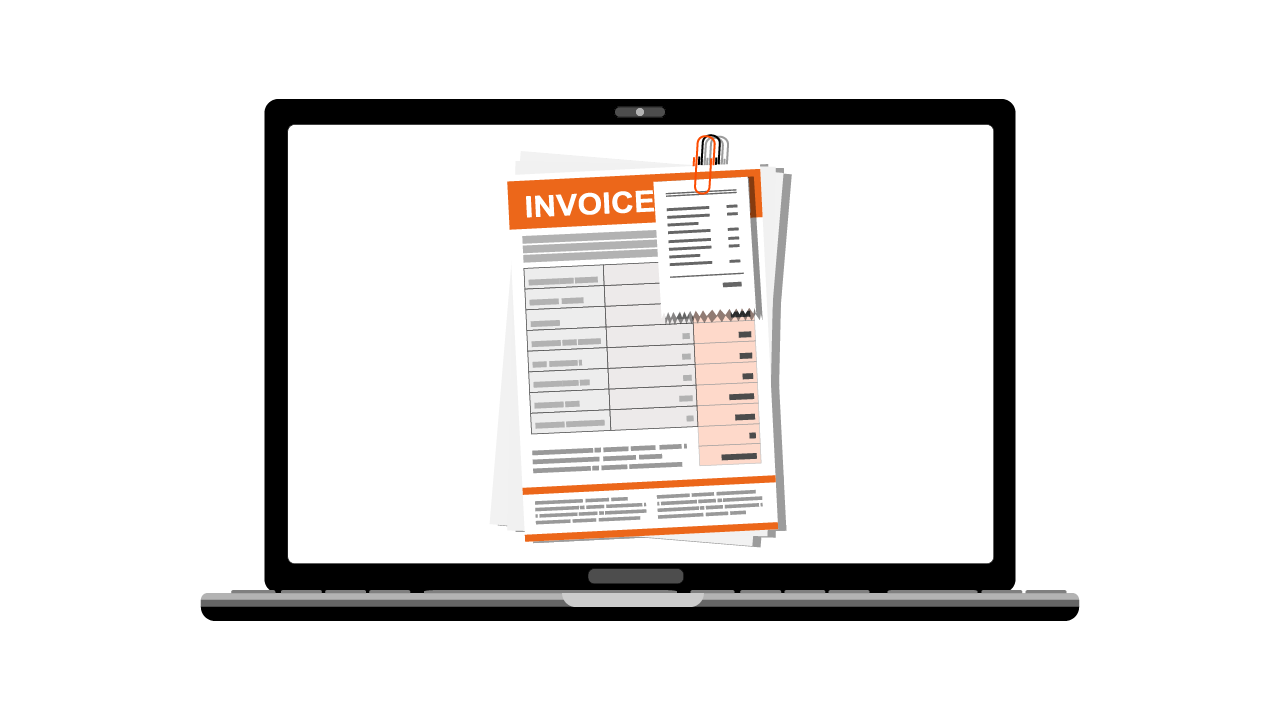
Electronic invoice workflow automation applies to organizations of different sizes and sectors. Smaller businesses use it to streamline administration, while large enterprises use it to control costs and increase process efficiency. The same model supports any team that needs to automate invoice handling, strengthen financial control and improve the internal flow of information.
Benefits of an electronic invoice workflow
A structured digital workflow provides several operational benefits:
- Time savings: automation moves invoices through the process faster.
- Lower costs: fewer errors and more effective use of employee time reduce operating costs.
- Better accuracy: automated scanning and data capture reduce manual entry errors.
- Stronger control: teams can monitor payment deadlines and manage cash flow.
- Process transparency: users can see the history and current status of each invoice.
Together, these improvements strengthen operational and financial efficiency.
Implementing an invoice workflow
Implementation starts with an analysis of the current invoicing process and the steps suitable for automation. The selected platform must fit the operating model and integrate with existing IT systems, including ERP software. Employee training supports the transition, while ongoing technical support protects process continuity.
A focused implementation plan should define document sources, data capture, approval paths, accounting integration, exception handling and process ownership.
Core invoice workflow capabilities
The essential capabilities include:
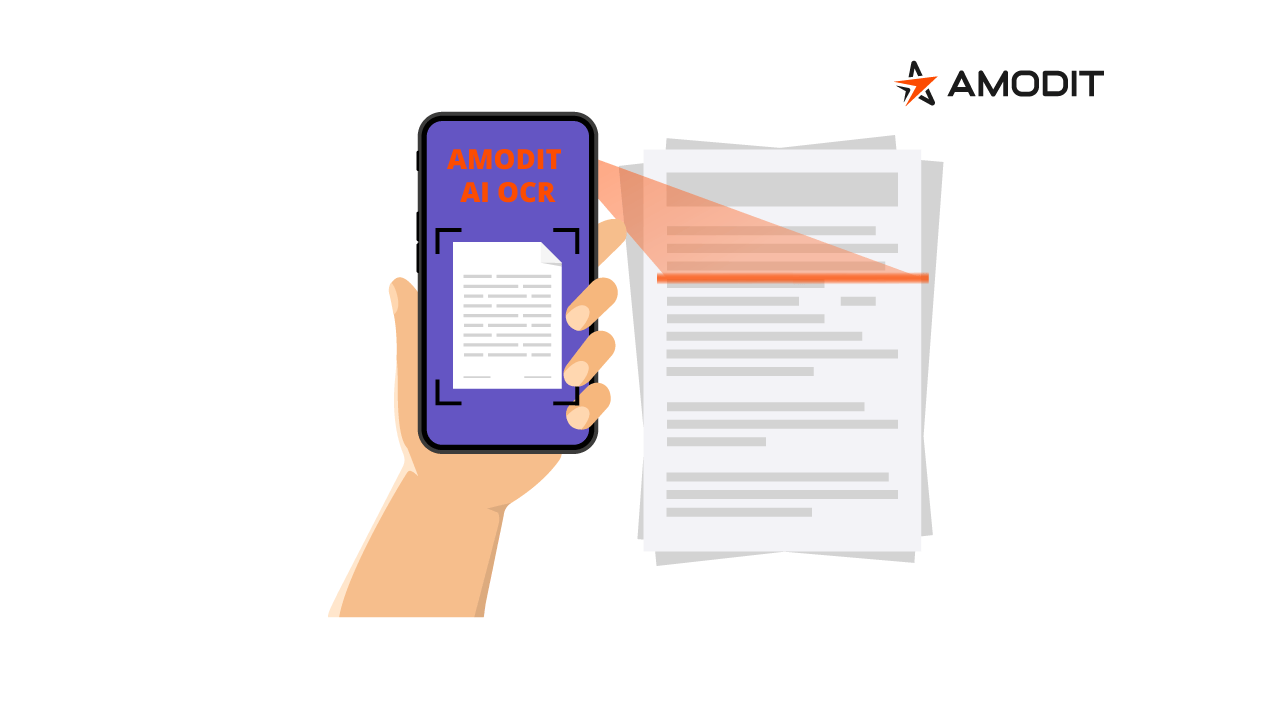
- Automated scanning and data capture: invoice information enters the process without manual retyping.
- Approval paths: defined employees and departments review invoices at the appropriate stages, and a person approves the decision.
- Accounting and banking integration: synchronized invoice data supports financial management, accounting entries and direct payment processing.
These capabilities streamline invoice handling and improve operational control.
Illustrative manufacturing workflow
Consider a manufacturer that processes hundreds of supplier invoices each month. Before automation, employees enter data manually, making the process slow and prone to error. With an electronic workflow, the platform scans invoices and captures data automatically, accelerating verification and approval. Approval paths reflect the organizational hierarchy and keep financial decisions moving. Accounting integration posts approved invoices and supports cash-flow management.
Monitoring and continuous improvement
Regular monitoring keeps an electronic invoice workflow effective. Teams analyze performance, identify bottlenecks and implement targeted improvements. Analytics and key performance indicators show how the process affects financial and operational liquidity. Continuous improvement based on this evidence helps the workflow keep pace with changing business and technology needs.
A controlled path from invoice to posting
An electronic workflow strengthens financial and operational processes by speeding up invoice handling, improving data accuracy and reducing manual work. Ongoing analysis keeps the process aligned with changing conditions and supports consistent performance.