
Invoice Fraud: How to Verify Invoices and Prevent Losses
October 9, 2024
Case Studies
Business Tips
Finance
In Poland, scams involving a fake grandchild or police officer are widely recognized. Criminals exploit emotion and trust to steal from individuals. Businesses face a different scheme every day: false invoices. The risk is particularly serious for organizations that process hundreds of documents each month. This guide explains how invoice fraud works and how to stop it before payment.
Invoice fraud explained
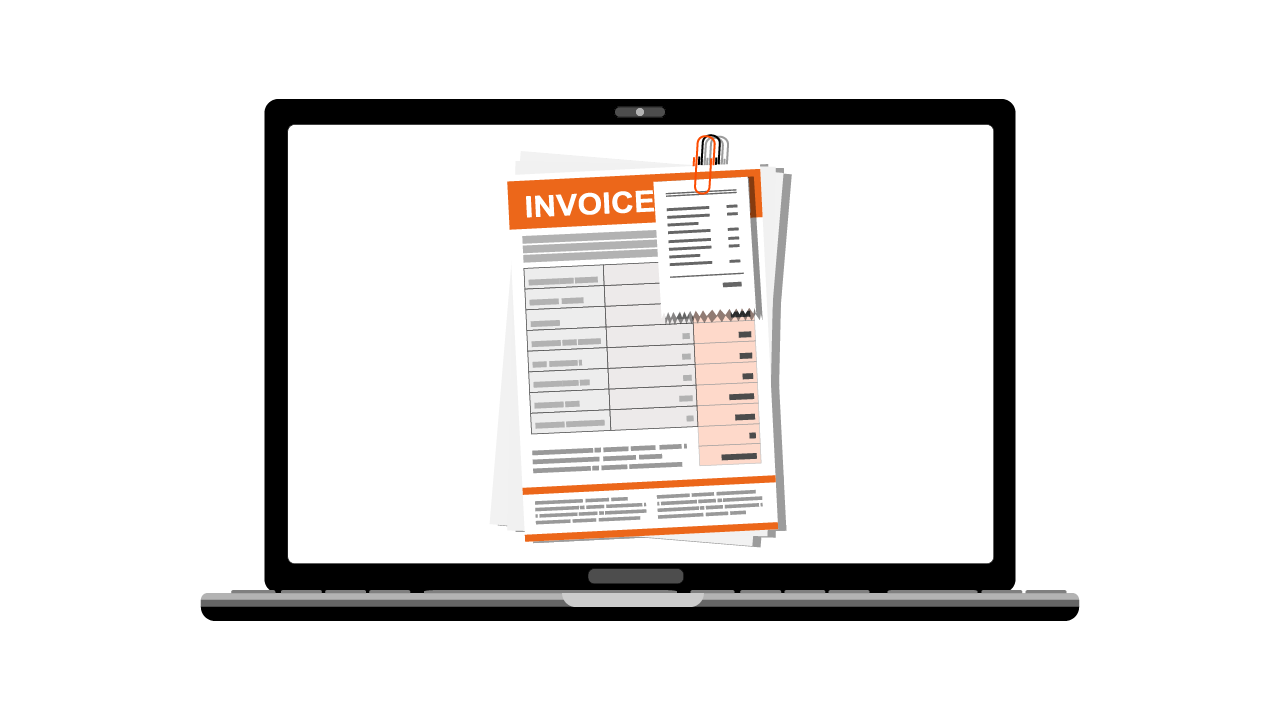
Invoice fraud involves sending a business a false invoice designed to look authentic. Fraudsters use public data and knowledge of an industry to create documents that are difficult to distinguish from legitimate invoices. They rely on the likelihood that a team processing a high volume of documents will make a mistake and pay an invoice it should never have received.
Why invoice fraud succeeds
Despite continued digitization, invoice fraud still generates returns for criminals. Several recurring weaknesses make these schemes effective.
1. Excessive trust and divided responsibility
In larger organizations, invoice verification is often spread across several departments. Accounting assumes that procurement has already checked the document, while managers expect accounting to complete the control. The invoice then moves through the process without thorough verification.
2. Time pressure and payment deadlines
Invoices must be paid promptly to avoid delays and penalties. When accounting teams receive hundreds of documents each month, pressure to meet every deadline can replace careful verification and create an opening for fraud.
3. No automated verification
Many organizations still process documents manually. Without automated checks against public registers such as Statistics Poland (GUS), the National Court Register (KRS) and the Polish VAT whitelist, false invoices can go unnoticed. Checking hundreds of documents by hand takes time, and fraudsters exploit that weakness.
4. Professional-looking fraud
Invoice fraud is increasingly sophisticated. Criminals use real public data, including Polish tax identification numbers (NIP), national business registry numbers (REGON) and contact details, to produce credible documents. False invoices may cover alleged services, products or even subscriptions that an employee appears to have accepted.
5. No connection between invoices and purchase orders
Organizations without an integrated purchase order and invoice process face greater exposure. When an invoice is not matched to an order, the verification step may be missed.
The invoice fraud process
A typical scheme follows four stages:
Collecting business data
Fraudsters use public registers such as GUS, KRS and the Polish VAT whitelist to collect details that make a false invoice appear legitimate.
Creating a credible invoice
The document may contain accurate business details. The bank account number used to receive the payment can be the only altered field.
Sending the invoice
The false invoice reaches accounting and enters the standard workflow. If nobody verifies it at the right point, the document proceeds to payment.
Collecting the funds
The organization pays what appears to be a legitimate invoice. The fraudster withdraws the funds and disappears.
Invoice verification checklist
When a document raises concerns, replace a visual impression with specific control points. These checks identify most schemes involving false invoices or altered payment data.
- Confirm the business basis.
Find the purchase order, contract, acceptance protocol or proof that the service or delivery took place. - Compare the issuer data with previous documents.
Check the legal name, address, NIP and legal form against established records. - Verify the NIP in official registers.
For Polish entities, use CEIDG or KRS as appropriate. For EU suppliers, also use VIES. - Verify the bank account.
When the transaction is subject to Polish VAT whitelist checks, confirm that the invoice account matches the account registered to the supplier's NIP. - Treat a sudden account change as an exception.
A new bank account is one of the most common warning signs. Require an additional confirmation for every such change. - Inspect the sender and email domain.
Confirm that the message comes from the official domain. Watch for misspellings, added characters and look-alike domains. - Compare the invoice with the normal billing pattern.
An unusual service description, different layout, changed communication style or missing standard fields should stop the payment for review. - Confirm the data through a known channel.
Use a phone number or email address from the contract or an established contact, not the invoice or suspicious message.
If any control point remains unresolved, hold the payment until the information is confirmed.
Responding to a suspicious invoice
Fast, structured action matters:
- Hold the payment and mark the document for verification.
- Confirm the purchase basis using the order, contract or proof of delivery or service.
- Check official registers, including NIP and the Polish VAT whitelist when applicable.
- Contact the supplier through a known channel taken from a contract or established records.
- Preserve evidence, including the email, headers, attachments and communication history.
- Report the incident internally under the procedure that assigns responsibility for the hold and the next steps.
Actions after a false invoice has been paid
Hours, and sometimes minutes, make a difference. Run these actions in parallel:
- Contact the bank immediately and report suspected fraud or an incorrect transfer.
- Preserve all correspondence and documents for the complaint and subsequent action.
- Notify management, finance and accounting and activate the internal incident procedure.
- Contact the impersonated supplier so it can warn others about further attempts.
- Update procedures after the incident and identify the stage at which the invoice passed without verification.
AMODIT controls for invoice fraud
Reducing invoice fraud requires clear procedures and tools that automate supplier and document checks. AMODIT supports the following controls.
1. Supplier checks against public registers
Invoice data can be checked against GUS, KRS and the Polish VAT whitelist to confirm that the supplier exists and the document matches public records.
2. Automated invoice workflows
Invoice workflow automation assigns documents to the relevant purchase orders and verifies supplier data, reducing opportunities for false invoices to pass unnoticed.
3. Multi-level invoice verification
An invoice can pass through several defined approvals before payment. Each participant verifies a specific part of the document and can flag an irregularity.
4. Purchase order matching
Each invoice can be connected to a purchase order. If no matching order exists, the process routes the invoice for manual review.
5. Employee training
Regular training for accounting and procurement teams keeps employees current on invoice fraud methods and improves early detection.
An anonymous client example
One client reported that an integration with the National Court Register and automated supplier verification prevented payment of a false invoice worth tens of thousands of Polish zlotys. The process immediately flagged the supplier because its details did not match the public register. The organization held the payment and avoided the loss.
Stronger verification before payment
Invoice fraud is a real threat, especially where teams process large document volumes each month. Automated verification, regular employee training and checks against GUS, KRS and the Polish VAT whitelist reduce the risk of paying a false document.
A structured invoice workflow makes every control point visible and keeps an audit trail of the decision.
Invoice fraud FAQs
1How do I verify whether an invoice is genuine?
Use a checklist covering the purchase basis, supplier details, NIP and official registers, the bank account, the email sender and confirmation through a known channel when any detail differs.
2What are the most common signs of a false invoice?
Common signs include a sudden change of bank account, an invoice for an unordered service, unusual urgency, a suspicious email address, inconsistent business data or an unfamiliar document format.
3Does every invoice require a Polish VAT whitelist check?
The requirement depends on the transaction. In practice, checking a supplier's bank account against a reliable source remains one of the strongest controls against account substitution.
4What should I do after receiving a false invoice by email?
Do not pay it. Hold the document, confirm the purchase basis, check official registers, contact the supplier through a known channel and preserve the message and attachments as evidence.
5What should I do after paying a false invoice?
Contact the bank immediately and report the incident. Preserve correspondence and documents, activate the internal incident procedure and identify the control point that failed.
6Does invoice fraud affect only large organizations?
No. Large organizations attract fraud because of document volume, but smaller businesses are also targets when they lack clear controls or operate under time pressure.
7What is a simple invoice verification procedure?
Define a pre-payment checklist, apply an extra confirmation whenever a bank account changes, match invoices to purchase orders and require a clear approval path for exceptions, such as review by at least two people.
8How does invoice workflow software reduce fraud risk?
It can require purchase order matching, trigger extra approvals for risky cases, block incomplete documents and maintain a complete audit trail.