
Digitization vs. Digitalization
February 1, 2024
Business Tips
Business Tips
Digital Transformation
Digitization and digitalization are closely related but serve different roles in business transformation. One converts analog information into digital data; the other uses digital technology to change how processes and operations work.
Digitization Converts Information
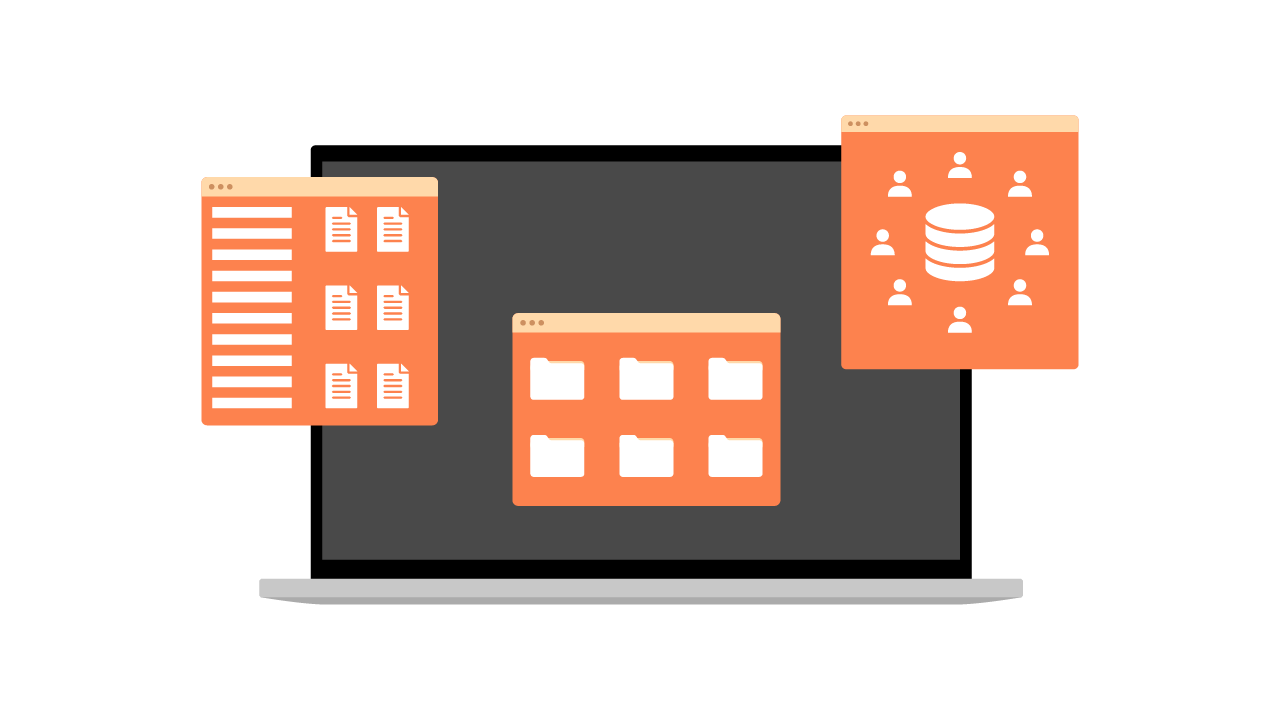
Digitization converts analog information into digital form. It includes paper documents, photographs and audio recordings, but its value extends beyond file conversion to the way information can be stored and processed.
Key Aspects of Digitization
- Data storage and access: Digital information requires less physical space and becomes easier to search.
- Data security and protection: Digital records are protected from physical damage and can be secured against unauthorized access.
- Operational efficiency: Digital data can be processed, analyzed and shared faster.
- Analysis and decision support: Structured information is easier to analyze for market trends and business decisions.
- Historical records: Digitized archives make historical information easier to manage and use.
Digitization creates a foundation for document archiving, analysis and controlled information sharing.
Digitalization Changes Processes
Digitalization introduces digital technology into daily operations. It replaces paper-based work with electronic processes and changes how employees complete tasks and communicate.
Process automation is one example. Instead of completing a paper form, an employee uses an application that processes the data and routes the request. The organization gains faster execution, fewer errors and better process control.
Key Aspects of Digitalization
- Business process automation: Software handles tasks such as forms, orders and customer requests.
- Electronic document workflows: Digital records replace paper and become easier to manage, archive and access.
- Operational efficiency and cost control: Faster processes reduce administrative effort.
- New technology: Database management and analytics tools help organizations understand customer requirements and respond to change.
- Information access and collaboration: Employees can work with shared data across locations.
- Data security: Digital platforms provide controls that protect sensitive business information.
Digitalization is a broad transformation that combines technology, process design and new working practices.
The Difference Between Digitization and Digitalization
The terms describe different layers of digital transformation:
- Digitization converts analog data into digital data. Scanning a paper document into a PDF or converting old film into a video file are typical examples.
- Digitalization changes how the business operates. It introduces automation, CRM, e-commerce and other digital tools that redesign work.
The two processes complement each other. Digitization is often the first step because digital data provides the foundation for broader process and service changes.
The distinction is scope and objective. Digitization focuses on information conversion. Digitalization uses technology to improve operations, innovation and competitiveness.
Digitized data is an important input, while digitalization creates the deeper change in how organizations operate and compete.
Business Value
Together, digitization and digitalization change traditional operating models and create new ways to work:
- Operational efficiency: Electronic document workflows reduce manual paper processing, while digital data is faster to analyze and retrieve.
- Cost control: Less paper, physical storage and manual processing reduce operating effort. Digital information also supports better resource management.
- Customer service: CRM and analytics provide insight into customer preferences and support faster responses.
- Innovation and competitiveness: Digital tools enable new business models, products and services.
These are strategic operating decisions rather than isolated technology trends. Organizations gain efficiency, stronger service and greater capacity to adapt.
Digitization Creates Data; Digitalization Creates Change
Digitization converts analog information into digital data, improving access, processing and analysis. Digitalization goes further by introducing digital tools and automating business processes.
Both capabilities are now part of resilient business operations. Organizations that invest deliberately in them can work more efficiently, innovate and respond faster to market change.