The Evolution Toward Paperless Business
May 8, 2020
Features
Paperless
Digital Transformation
Information technology changes business in small steps that become revolutionary over time. Computers, networks, the internet and digital documents have each changed how organizations create, move and approve information.

The article follows enterprise computing from the 1970s and treats information technology as a catalyst for changes in companies and society. Innovation often arrives gradually because people are cautious about changing familiar habits. Eventually, tools such as smartphones and social media become ordinary and difficult to imagine losing.
Why Innovation Meets Resistance
Early cars were sometimes treated as horseless carriages, and artificial horse heads were mounted on them to make the change feel less abrupt.
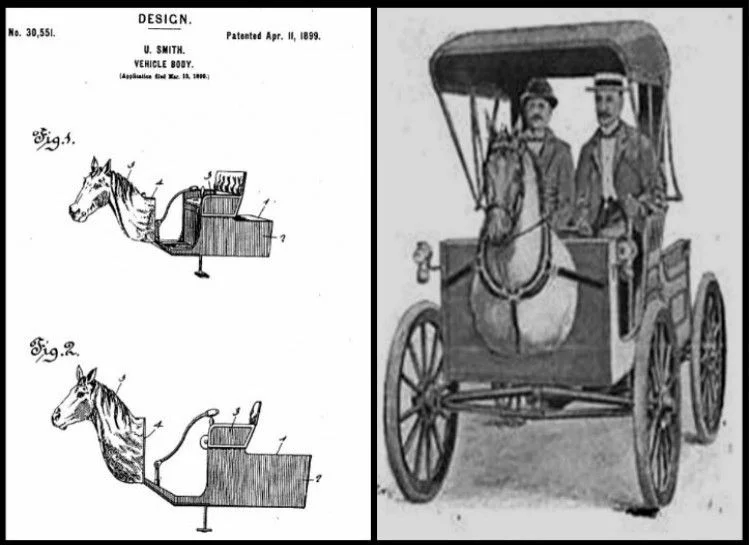
Business technology followed a similar path. Typewriters and postal mail gave way to photocopiers and fax machines. Personal computers first acted as advanced typewriters, then spreadsheets and other office applications changed everyday work.
Computer networks removed the need to carry files on disks. The client-server model enabled warehouse, invoicing and accounting applications, which later developed into integrated ERP and CRM systems.
The internet was initially treated as both a curiosity and a security risk. Email then transformed internal and external communication, even while many documents still had to be printed, signed and delivered. Online banking followed the same trajectory from distrust to routine use.
Electronic Invoices as the Next Step
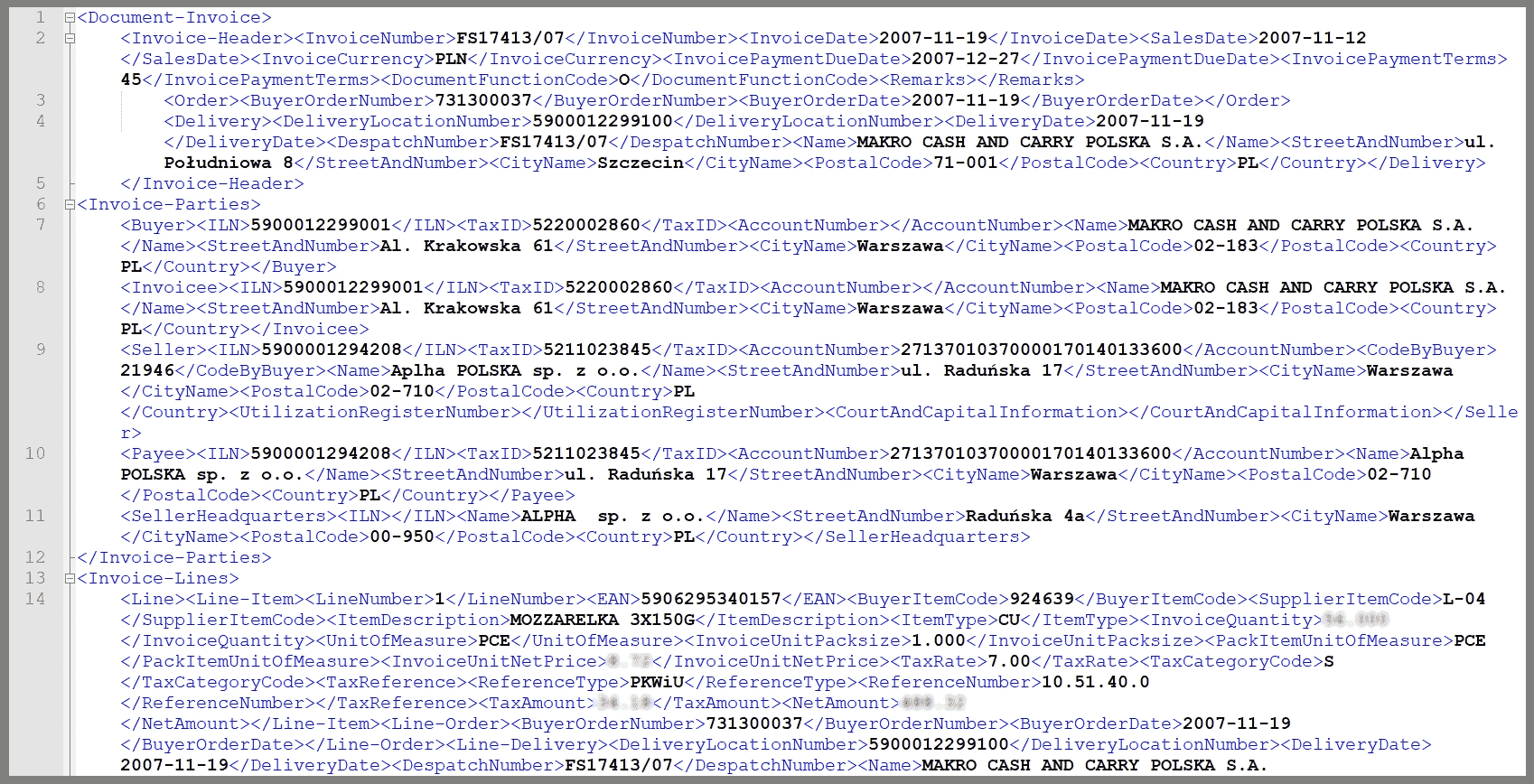
Invoice handling changed gradually. Requirements for signed originals gave way to unsigned invoices and later electronic delivery. PDF invoices improved distribution but still required OCR to turn an image into structured data, with cost and error risk. Large retail networks used EDI to exchange structured records directly.
The source article cites the European Directive 2014/55/EU and the April 18, 2019 requirement for structured electronic invoices in public procurement. Structured data lets systems process invoice information directly and supports analysis and automation.
The Remaining Paper Challenge
Paper is expensive to copy and store, slow to search and difficult to protect from fire, flooding and other damage. Many organizations maintain both paper and digital copies, adding printing and scanning cost.
The source cites The World Counts for two historical figures: annual paper consumption of 100 kg per person in Poland, associated with two trees, and a forecast that global demand would double by 2030. These figures reflect the source article's 2020 context.
Legal and contract work remains one of the last paper-heavy areas. Most agreements can use electronic documentary form even though some transactions still require special forms such as notarization. Changes to Polish civil procedure and the EU eIDAS regulation reduced legal barriers to electronic records.
eIDAS defines simple, advanced and qualified electronic signatures. A qualified signature is widely recognized but can be inconvenient and costly. Advanced signatures can be used from a computer or smartphone without assuming that every counterparty owns dedicated hardware. The source presents AMODIT electronic signatures and blockchain-based document integrity as one implementation approach.
Benefits of Electronic Agreements
Electronic signing removes printing, shipping, manual assembly, scanning and physical archiving. It also records the signer and signing time and helps prevent backdating or undetected document changes.
The source gives an anonymous historical example of 500,000 fewer printed pages per year, equated to 20 trees, and more than 30% lower agreement-handling cost. These figures are source examples, not a guarantee of results.
Documents can be signed from different locations and devices. The broader shift resembles online banking: an initially unfamiliar digital process becomes the expected way to work.