Fleet and Transport Process Automation
February 5, 2025
Case Studies
Case Studies
Transport
A large organization with several thousand employees and an extensive vehicle fleet replaced paper-based transport coordination with a digital process covering requests, approvals, fulfillment, settlement, and fleet service controls.
The Challenge: Paper-Based Transport Management
The organization used an analog transport-management process. Paper documents extended order lead times, while fragmented communication created delays and misunderstandings among participants.
The project needed to model, automate, monitor, and improve fleet and transport order processes in one controlled environment.
The Solution: One End-to-End Workflow
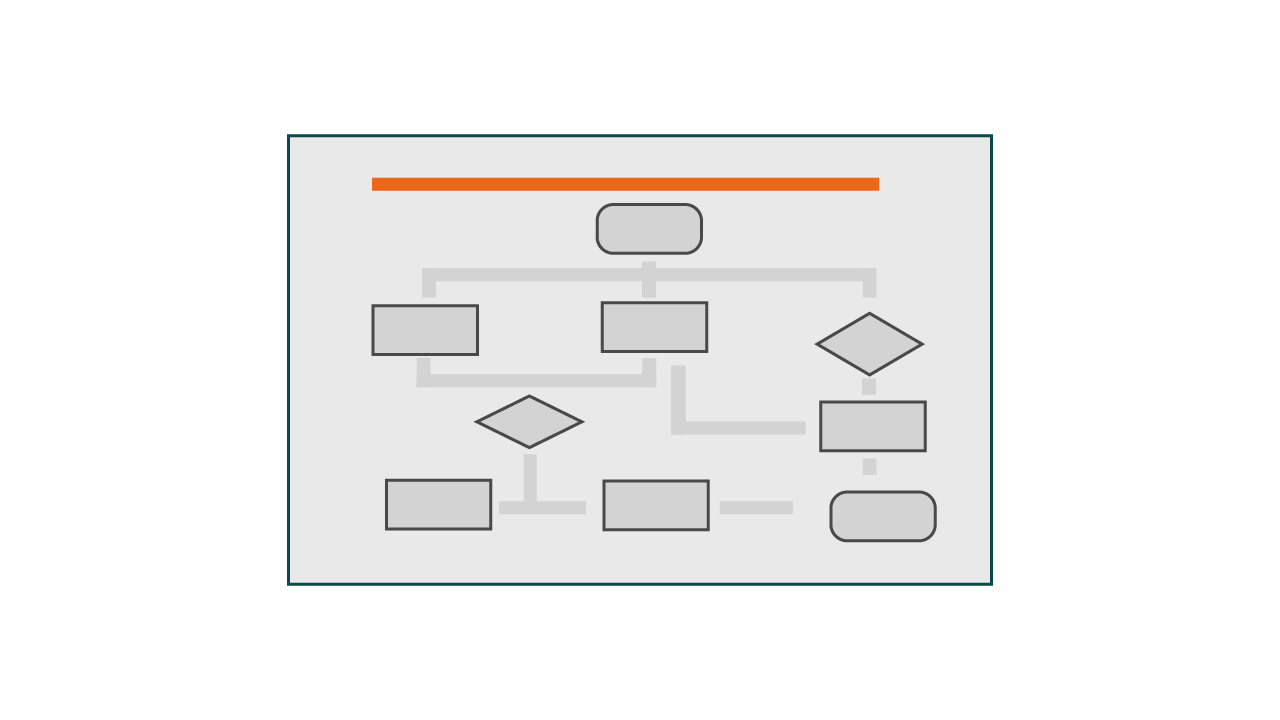
The team visualized the existing process to identify areas for improvement, then configured a BPM platform around the organization's operating needs.
The workflow covered the transport request, approval, fulfillment, and settlement. It replaced paper handling and connected participants through shared status, tasks, and notifications.
Core Improvements
- A digital workflow replacing paper document circulation
- Automated notifications for process participants
- A module recommending vehicles for each request, with the final assignment approved by an authorized person
- Integrated fleet management with automatic service reminders and threshold alerts
The platform also supported integration with other IT systems used in fleet operations.
Results Reported in the Case Study
The published case study reports the following outcomes:
- 70% shorter transport order completion time
- 45% lower administrative costs
- 35% higher fleet utilization efficiency
- 95% of errors caused by manual data transcription eliminated
The published material does not specify the measurement period or methodology.
Fleet Monitoring and Service Controls
The fleet module monitors vehicle condition, reminds responsible teams about inspections, and generates alerts when operating thresholds are exceeded. The connected workflow turns each service need into a visible, assigned process.
Dashboards and KPIs support ongoing monitoring and help the organization improve transport operations using current process data.
The source quotes the Logistics Director as saying that BPM changed fleet management and transport order execution, increasing efficiency and improving the experience of employees and customers.
Connect Transport Work Into One Process
A Platform for Continuous Improvement
The implementation shows how a BPM platform can standardize a complex logistics process and provide the data needed for further optimization. The combination of workflow, integration, alerts, reporting, and human approval makes the process visible and manageable from request through settlement.