Workflow Systems and Business Performance
February 21, 2024
Business Tips
Business Tips
Workflow
A workflow system organizes work so that tasks reach the right people, information remains available and processes move through defined stages. Business users gain a clear view of responsibilities and status without needing to become IT specialists.
Workflow System Definition
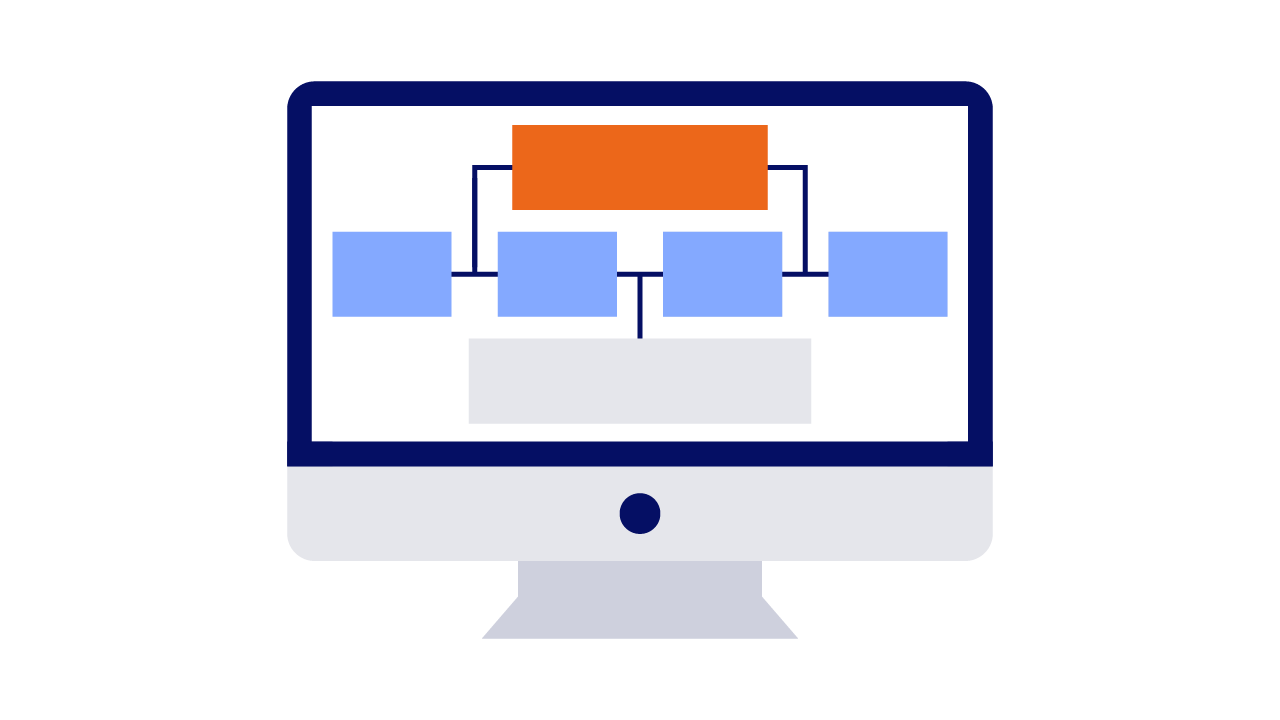
A workflow system is software for planning, organizing and automating the stages of a business process. It supports simple administrative tasks as well as complex projects spanning multiple departments. Each participant knows what to do and when, while the entire workflow becomes visible, measurable and easier to improve.
The system structures tasks, standardizes execution and keeps case status, deadlines and responsibilities in one place. A well-designed implementation replaces delays and errors with repeatable processes that can scale with the business.
Core Workflow Capabilities
Modern workflow systems provide capabilities that support daily operations:
Process modeling maps tasks, responsibilities and dependencies so teams can understand and organize the work.
Task automation routes cases, sends notifications, generates documents and updates connected systems.
Monitoring and reporting tracks status, lead times, workloads and bottlenecks.
System integration connects CRM, ERP, finance and accounting applications, and communication tools.
Together, these functions make the workflow platform a central process layer.
Types of Workflow Systems
Workflow platforms differ by deployment model, operating scale and security requirements.
Cloud and On-Premises Platforms
Cloud platforms (SaaS)
Browser-based access, scalable capacity and infrastructure managed by the provider. The provider handles maintenance and updates while authorized users can work from different locations.On-premises platforms
Software installed on the organization's servers provides direct control over data and environment configuration. This model is often selected for strict security requirements or specialized integrations.
General-Purpose and Industry Platforms
General-purpose platforms
Configurable tools for document workflows, HR, customer service and many other processes.Industry platforms
Solutions designed for a specific sector, such as manufacturing, financial services or healthcare, with predefined process patterns and common integrations.
Benefits of Workflow Implementation
A workflow platform improves more than document routing. It changes how the organization coordinates work, supports employees and executes strategic goals.
Operational Efficiency
Automation reduces manual activities, accelerates process execution and limits errors. Employees spend more time on work that requires expertise.
Information Flow and Communication
Centralized data and clear approval paths show case status, ownership and next steps. Teams rely on fewer status emails and calls while gaining transparency across departments.
Process Control and Error Reduction
Live process tracking reveals bottlenecks and delays. Automated validation, completeness checks and approval rules improve quality and adherence to procedures.
Scalability and Flexibility
As operations grow, teams can add process stages, roles and integrations without rebuilding the entire solution. This supports business growth without a proportional increase in administrative effort.
Business Impact of Workflow Systems
Structured workflows affect performance and competitiveness. Faster order execution, reliable customer service, efficient resource use and timely responses to market change all depend on controlled processes. Consistent execution reduces errors, while process data supports better decisions.
Faster Response to Change
Efficient processes shorten order lead times and support faster introduction of products and services. The organization can adjust to customer and market needs with less disruption.
Better Customer Experience
Predictable processes produce fewer delays and clearer communication. Customers receive faster responses and consistent handling from the start of a case to its completion.
Better Use of Resources
Reports and workflow analysis help teams plan capacity, avoid overload and make better hiring and investment decisions. Employees spend less time resolving preventable process failures.
Operational Resilience
Documented, automated processes reduce dependency on individual employees. The organization can continue operating through staff changes, rapid growth in case volume and new regulatory requirements.
Workflow Systems Support Scalable Operations
A workflow system replaces informal habits with measurable process paths that teams can improve and scale. Tasks reach the right people, deadlines become more predictable and key information remains available in one place.
Transparent automation supports organizational growth, customer service and decisions based on operational data. It is particularly valuable for growing businesses, distributed teams and organizations handling an increasing number of cases.
A well-selected workflow platform becomes a core management capability, stabilizing daily work and supporting long-term performance.