Sustainability Through Digitization
February 29, 2024
Business Tips
Sustainability
Digitization can reduce paper handling, improve resource visibility and support flexible operations. Sustainability gains appear when those changes are measured and connected to business objectives.
Three Dimensions of Sustainability
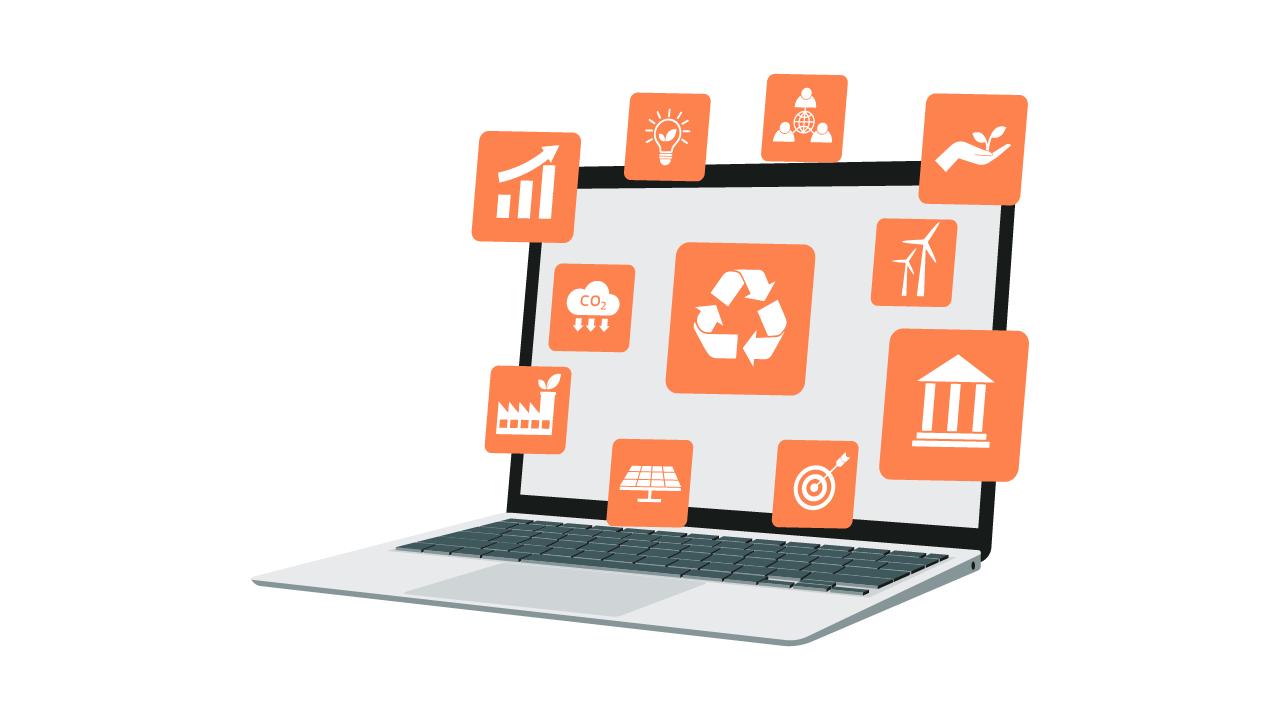
- Economic: operational efficiency, profitability and long-term value for stakeholders.
- Social: fair treatment, employee and community well-being, and broader social impact.
- Environmental: responsible resource use, waste management and lower emissions.
Leaders determine how these dimensions become part of operating decisions. Progress requires clear goals, employee involvement and continuous improvement rather than a one-time technology project.
Where Digital Workflows Contribute
- Less paper: digital records reduce printing, supplies and physical storage.
- Process efficiency: workflow data reveals bottlenecks and reduces manual handling.
- Flexible access: employees can work with authorized records from different locations, supporting remote work and potentially reducing travel.
Applications include digital personnel files, invoice workflow, contract management and maintenance requests. These processes can reduce paper, improve status visibility and organize resource use when the implementation replaces rather than duplicates manual work.
Digital Tools Supporting Sustainability
Cloud Infrastructure
Cloud services move applications to shared data-center infrastructure and reduce the need for customer-managed hardware. The environmental result depends on provider efficiency, workload design and actual resource use.
Data and Analytics
Process and operating data help organizations identify resource-intensive activities, measure energy use and select workflows for improvement.
AI and Machine Learning
Existing AI services can be configured to classify documents, extract form data and recommend actions. People verify results and approve consequential decisions. AMODIT does not train foundation models for customers.
Internet of Things
Connected sensors can monitor energy and working conditions, while tracking can help locate physical records or assets.
System Integration
Connections between document management, ERP, CRM and other systems reduce repeated data entry and support end-to-end processes from orders through invoices and agreements.
Implementation Challenges and Responses
- Resistance to change: use training, workshops and employee participation.
- Data security: define encryption, multi-factor authentication, access control and audit requirements.
- Initial cost: evaluate cloud models and phased implementation against the target process.
- Integration: select solutions with suitable APIs and confirm compatibility with the current environment.
A focused pilot exposes integration and adoption issues before broader rollout. Continued monitoring shows whether the solution improves both operating performance and the sustainability measures selected by the organization.