Process Automation Workshop
June 5, 2025
Business Tips
Process Analysis
Technology selection should follow a clear understanding of the process. A workshop shows where time and money are lost before the organization commits to automation.
Start with Process Evidence
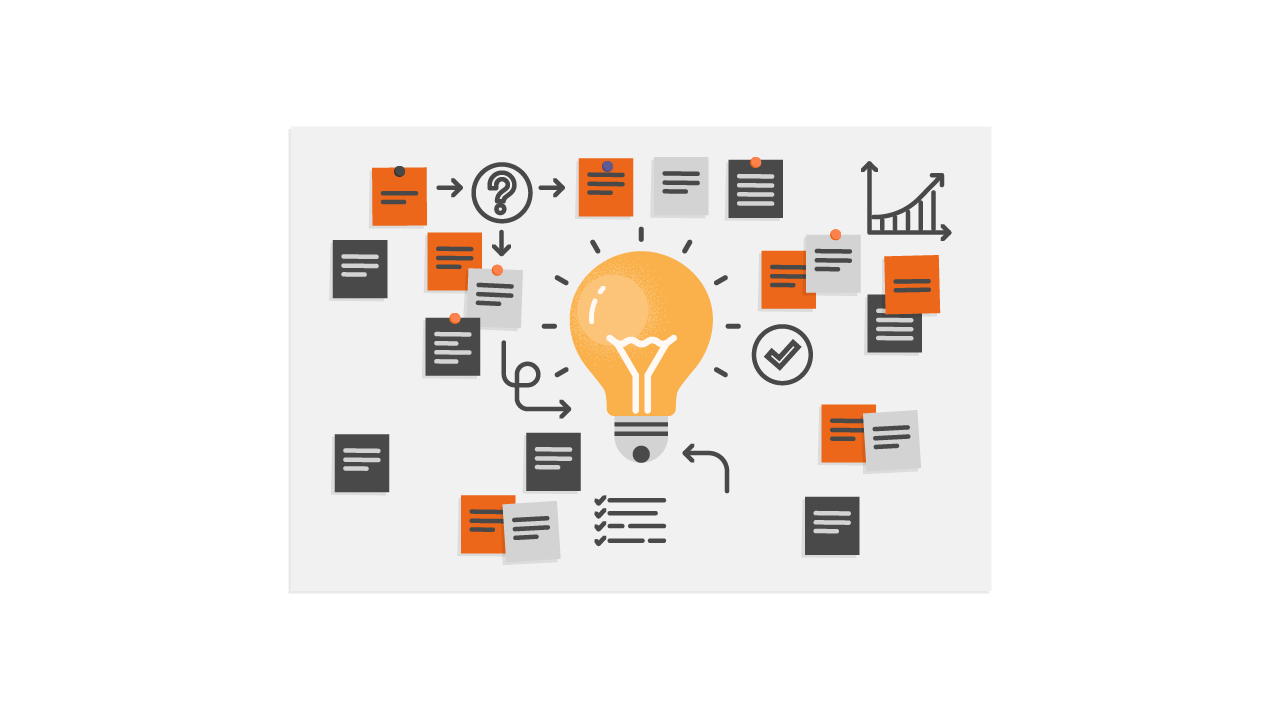
A process automation workshop documents the current state, identifies waste and estimates the potential impact of change. Participants map actual work, locate bottlenecks, analyze handling time and cost, and compare different practices across teams or locations.
The result provides a basis for deciding which processes should be automated first and which can wait.
An HR Example from the Source
The source describes an anonymous manufacturing company with 450 employees. Each month, HR handled about 500 leave requests, more than 200 agreements, amendments and certificates, plus sick-leave, overtime and other records.
The workshop mapped a paper- and email-based process with no central status view. Source calculations used 15 minutes per document, 175 hours of monthly HR effort and an average rate of PLN 65 per hour, producing a monthly handling estimate above PLN 11,000.
After the described automation, handling time fell to 3 minutes, monthly effort fell by 140 hours, estimated monthly savings reached PLN 9,100 and the stated payback period was slightly over 5 months. The source also reports fewer errors, faster management reporting and readiness for electronic signatures and ERP integration. These are historical results from this example, not guaranteed outcomes for other projects.
Workshop Deliverables
- An as-is process map: the actual flow of tasks, documents and decisions.
- A bottleneck inventory: delays, duplicate work and gaps in system support.
- Current cost and opportunity estimates: handling volumes, employee time, errors and potential savings.
- Decision support: priorities and scenarios that management can use without being required to select a particular platform.
The workshop is a decision process rather than a software implementation. It reduces the risk of investing in a solution that does not address the real constraint.
When a Workshop Adds the Most Value
The source recommends the approach especially for organizations with more than 100 employees, several departments participating in one process, fragmented email, spreadsheet or paper workflows, and no clear starting point for automation.
Preparation includes selecting the processes, involving employees who perform them, gathering representative documents and examples, and providing time or cost data where available.
Process Automation Workshop FAQ
1What is the workshop?
It is a practical two-day session that analyzes current processes, bottlenecks, handling time and cost, then develops improvement recommendations.
2What does the organization receive?
Deliverables include an as-is process map, improvement priorities, current time and cost estimates, potential savings, automation scenarios and a final management report.
3Does the workshop require an AMODIT implementation?
No. The findings can support an AMODIT project, another platform or staged operational improvements.
4How should the team prepare?
Select the processes, involve the people who know them, collect representative documents and systems, and bring available handling-time or cost data. Perfect reports are not required.
5What does the workshop cost?
It is a paid service priced before the session. The fee covers analysis, expert work and the final report. Any return depends on process scale, manual effort and the changes later selected for implementation.