Management Process Automation
July 2, 2025
Business Tips
Process Automation
Management
Organizations process growing volumes of recurring tasks, documents and information. Management process automation turns that work into controlled, measurable workflows that follow defined procedures.
Management Automation Fundamentals
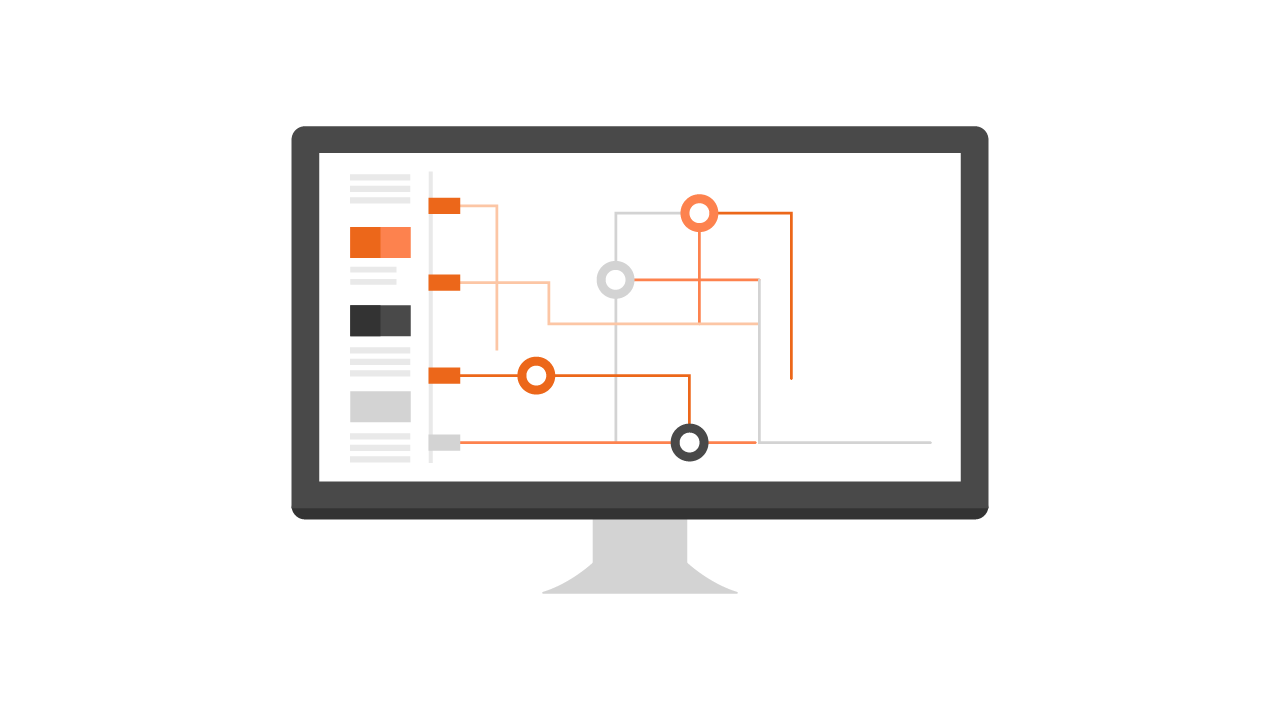
Automation replaces recurring manual work with electronic forms, workflow platforms, notifications and business rules. Instead of sending documents by email or on paper, teams work in one digital environment.
Each participant receives assigned tasks, the system monitors progress, and process data remains structured and available for analysis. The result is a more predictable, measurable operating model.
- Electronic forms collect data.
- Workflow tools model and control the process.
- Notifications and business rules trigger each next step.
Implementation Step by Step
1. Select the Right Processes
Prioritize work that is repetitive, follows a clear sequence, involves several teams, depends on approvals, suffers from delays or requires deadline, budget or policy control.
Common starting points include purchase invoice workflow, leave and business trip requests, purchase requisitions, contract and amendment management, and HR records.
Start with one well-defined process that affects business continuity, then expand to more complex workflows.
2. Select the Platform and Tools
- Low-code configuration: build forms, rules and approval paths without programming every change.
- Flexible modeling: support both simple and complex paths as requirements change.
- Integration: exchange data with ERP, CRM and email systems.
- Security and compliance: control access, maintain activity history and meet applicable requirements.
- Reporting and analytics: measure execution and identify improvements.
The platform should grow with the organization and support a process-oriented way of working.
3. Implement and Improve
Test the configured workflow with real users. Use the pilot to find errors, align the process with actual work and collect feedback. Automation is a continuous improvement program, not a one-time configuration exercise.
Business Benefits
- Time savings: automated steps reduce manual administration.
- Higher efficiency: task assignment, reminders and deadline controls keep work moving.
- Predictable delivery: consistent rules reduce delays and contractual risk.
- Better use of people: employees focus on strategic work.
- Fewer errors: less retyping reduces mistakes in data and deadlines.
- Access to information: teams can search, filter and report on digital records.
- Faster onboarding: defined procedures clarify how work is done.
- Quality and compliance: controlled workflows support formal requirements.
- Visibility: managers can monitor current process status.
- Scalability: growing task volume does not require the same proportional growth in administrative effort.
Start With One High-Value Process
Workflow platforms, electronic forms and business rules improve process quality and management visibility. A focused first implementation gives the organization a practical foundation for broader automation.
Discuss the First Process
Management Process Automation FAQ
1What is management process automation?
It uses electronic forms, workflows, business rules and notifications to perform recurring work that employees previously handled manually. Processes become faster, more predictable and easier to control.
2Which processes are good starting points?
Choose repeatable work with clear steps, several participants, approval requirements or frequent delays. Examples include purchase invoices, leave and business trip requests, purchase requisitions, agreements and HR documents.
3What should an automation platform provide?
Look for low-code configuration, flexible workflow modeling, ERP and CRM integrations, access controls, activity history, reporting and analytics.
4What are the main implementation stages?
Analyze and select the process, choose the platform, configure and test a pilot with real users, then monitor and improve it continuously.
5What benefits does management automation provide?
It reduces manual work and errors, improves delivery predictability, provides access to current data, supports onboarding and compliance, increases visibility and helps operations scale.