

Five Immediate Document Workflow Savings
September 14, 2015
Business Tips
Document Workflow
Large organizations exchange high volumes of information across paper and digital channels. Structured workflow reduces the effort required to control that communication.

1. Clearer Communication
Email does not consistently show whether information was read, who owns the next task or whether the work is complete. Workflow assigns responsibility and records task status, reducing duplicate messages and follow-up effort.
2. Less Paper Handling
Digital documents and scanned copies reduce printing, copying and physical transfers. Searchable records also replace time spent locating files in paper archives.
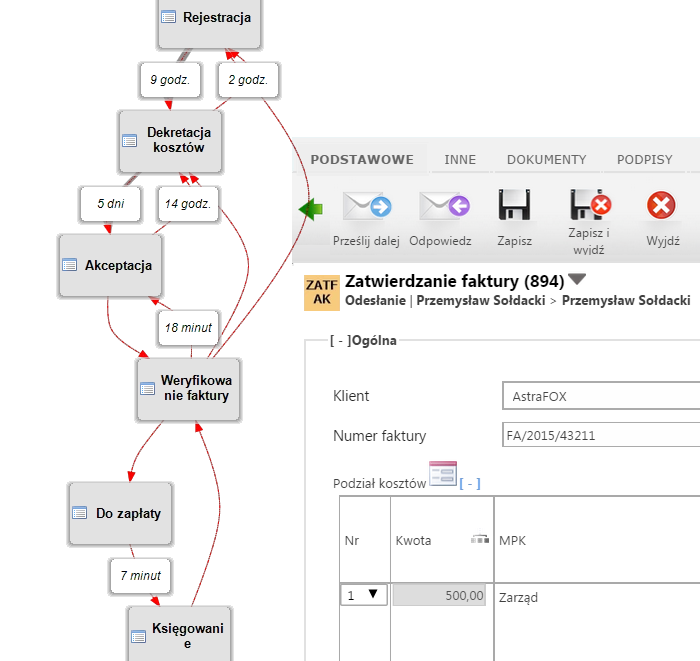
3. Fewer Duplicate Tasks
A visible process makes repeated work easier to identify. Process owners can remove unnecessary steps and reduce the frustration associated with performing the same task more than once.
4. Better Deadline Control
Approval status shows who currently owns a task and where delays occur. Managers can escalate overdue work and adjust responsibilities or the process design.
5. Process Optimization
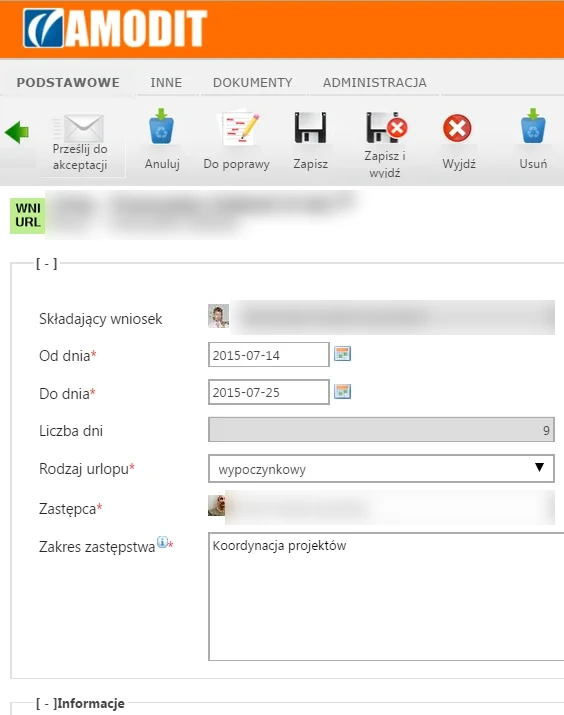
Workflow data exposes bottlenecks and gives process owners evidence for changing procedures. AMODIT can be configured to reflect actual working practices and adjusted as teams improve the process.
The scale and timing of savings depend on document volume, existing handling effort and the scope adopted.