
Business Process Optimization
May 29, 2025
Business Tips
Process Optimization
BPM
Business process optimization starts with how work actually happens. Teams reorder activities, remove unnecessary steps, and automate repeatable tasks to improve flow, cost, quality, and control.
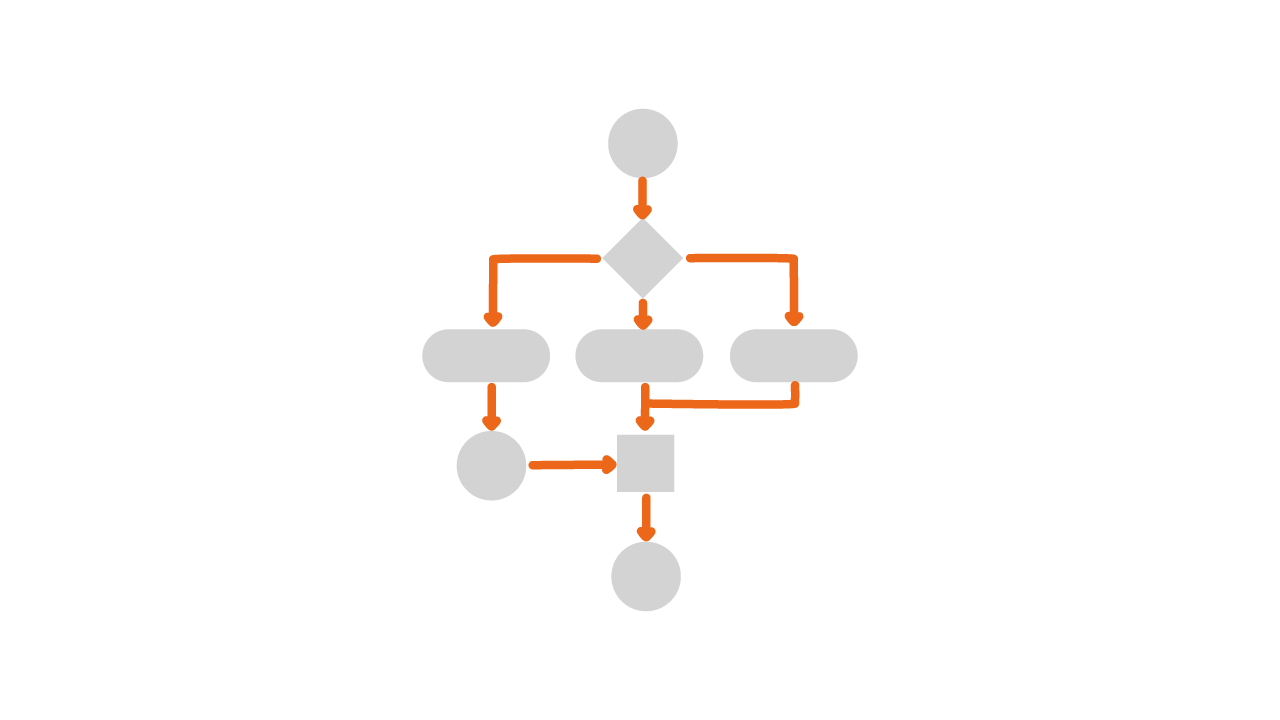
Optimization connects practical process changes with the tools needed to sustain them. The goal is smoother operations and better use of people and systems.
What Process Optimization Means
Every organization has work that can be improved, from operations and customer service to logistics and HR. Optimization examines the current process, identifies steps that cause delay or unnecessary cost, and introduces changes that improve speed, quality, and resource use. It is a continuous discipline that begins with understanding the real workflow rather than the intended procedure.
Business Benefits
- Lower operating costs: remove activities that consume time or tools without adding value.
- Faster completion: simplify the path from request to result.
- More consistent quality: standardization and automation reduce avoidable errors.
- Better customer experience: predictable processes support reliable service.
- Greater adaptability: clear procedures make market and regulatory changes easier to implement.
Methods and Operating Principles
Lean Management removes waste and focuses work on customer value. Kaizen introduces small, continuous improvements. Six Sigma uses data to identify defects and improve quality. BPM platforms model, run, and monitor end-to-end processes, while robotic process automation handles repeatable actions within those processes.
Effective programs define specific, measurable, time-bound goals; describe the target state; explain the purpose of changes; involve the people who perform the work; and measure progress with key performance indicators.
Four Implementation Steps
- Map the process: document every activity from start to finish and show where work waits or repeats.
- Identify bottlenecks: locate delays, unnecessary cost, manual re-entry, and sources of employee frustration.
- Implement improvements: choose methods and tools that address the causes, then test changes on a limited scale.
- Monitor and refine: compare results with the target metrics and adjust the process when outcomes differ from expectations.
Tools That Support Optimization
BPM platforms model and monitor processes. Workflow software manages document routing and approvals. RPA automates repetitive interactions, giving teams more time for higher-value work. AMODIT combines BPM, workflow, forms, rules, reporting, and automation in one environment.
Build Continuous Improvement Into Daily Work
Lasting optimization depends on an accurate picture of the current state, evidence-based decisions, consistent implementation, and the involvement of process participants. AMODIT supports incremental changes with clear control over forms, rules, responsibilities, and metrics.
Choose a Process to Improve
Business Process Optimization FAQ
1What is business process optimization?
It is a structured review of current work: map the process, identify waste, bottlenecks, and repetitive tasks, then implement and measure changes that improve speed, quality, and efficiency.
2What benefits should an organization measure?
Useful measures include operating cost, cycle time, error and rework rates, service quality, customer experience, and the speed of adapting to change.
3Which optimization methods are available?
Lean focuses on waste and value, Kaizen on continuous small improvements, and Six Sigma on data and defect reduction. BPM and workflow platforms manage end-to-end processes, while RPA automates repeatable tasks.
4What are the implementation stages?
Map the process, identify bottlenecks, test and implement improvements, then monitor the agreed KPIs and refine the process continuously.
5Which tools support process optimization?
BPM platforms support modeling and monitoring, workflow tools manage documents and approvals, RPA automates repetitive actions, and dashboards track outcomes and exceptions.