

Business Process Management Explained
March 11, 2025
Business Tips
Business Tips
BPM
Business Process Management (BPM) helps organizations structure work, remove unnecessary activities and improve repeatable processes. Documented processes reveal where delays occur, which stages need automation and how information should move between departments.
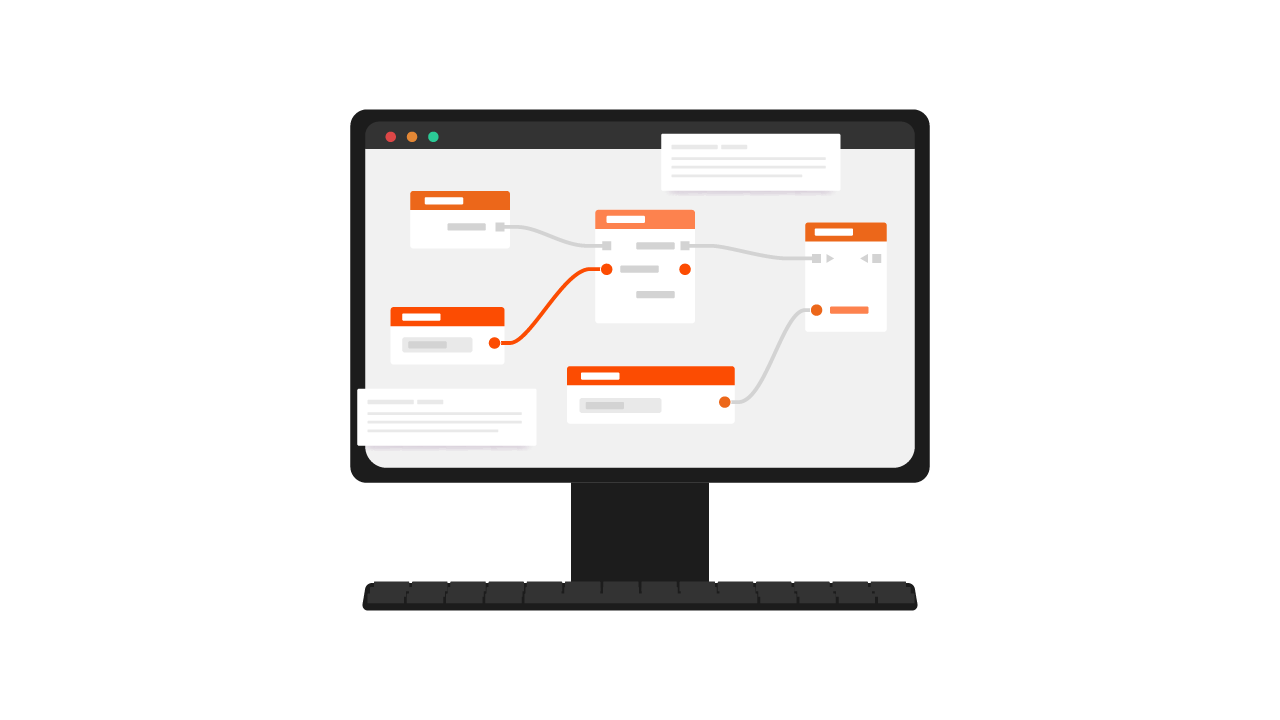
BPM Definition and Business Value
Disorganized processes create avoidable costs and slow down work. Business Process Management is a management discipline for analyzing, optimizing and automating how work is performed.
BPM improves operations by removing unnecessary steps, strengthening information flow and introducing technology where it supports document workflows and process automation. It enables organizations to:
- complete processes faster and more consistently;
- reduce errors caused by manual data processing;
- control each stage of work;
- increase process transparency.
Why Organizations Adopt BPM
BPM combines repeatable task automation, better work organization, regulatory control and digital document routing. Invoice approvals and HR requests, for example, can move through defined paths rather than relying on email and manual follow-up.
- Automate repeatable tasks through integrations, notifications and data transfer.
- Improve efficiency by removing bottlenecks.
- Support compliance with documented procedures and controlled data.
- Streamline document workflows with digital approval paths.
BPM and BPMS
BPM as a Management Discipline
BPM is an organizational approach to process analysis, modeling, monitoring and continuous improvement. It can include procedure changes, better communication and redesigned responsibilities without requiring a specific software product.
Organizations use BPM to:
- organize work;
- remove bottlenecks and unnecessary steps;
- improve information flow and productivity;
- control operating costs;
- support compliance with regulatory and legal requirements.
Manual management becomes difficult as an organization and its processes grow. A Business Process Management System (BPMS) adds the technology required to run the approach at scale.
BPMS as an Automation Platform
A BPMS supports process modeling, monitoring and automation. Typical capabilities include:
- Process modeling with diagrams, including BPMN models.
- Repeatable task automation that removes manual document handling.
- Performance monitoring that tracks progress and identifies opportunities for improvement.
- System integration and data exchange across business applications.
- Business rules for approvals, escalations and routing.
When a BPMS Becomes Useful
Simple processes can often improve through better organization and training. More complex operations need automation and integration across activities. A BPMS accelerates execution, improves control over documents and data, reduces manual errors, enforces procedures and scales processes as the organization grows.
How BPM Supports Process Automation
Automation applies the BPM discipline through process models, standard rules, task routing and operational data. Organizations remove unnecessary steps, simplify procedures and accelerate information flow.
Four Levels of Support
- Process modeling and optimization make operations and dependencies visible.
- Standardized execution replaces inconsistent practices with agreed rules.
- Automated task routing sends work to the right people or departments.
- Monitoring and reporting tracks performance, bottlenecks and improvement opportunities.
Processes Suitable for BPM Automation
Automation delivers the greatest value where work includes many repeatable operations. Common examples include:
- Document workflows for invoices, agreements and HR requests.
- Employee requests covering leave, business travel and service tickets.
- Order and invoice workflows with digital approvals and accounting integrations.
- HR processes such as onboarding, employee reviews, document generation and electronic personnel files.
Operational Benefits
- Shorter task lead times by removing manual steps.
- Fewer errors through validation and automated rules.
- Consistent procedures across each process instance.
- Better document and data control through digital routing.
- Greater flexibility and scalability as requirements change.
Selecting a BPM Platform
A BPM platform must fit the organization's processes and support both automation and continuous improvement. Evaluate five areas:
- Functional scope
- Automation of repeatable tasks.
- Monitoring and reporting for key process indicators.
- Flexibility and scalability
- Fit with specific processes.
- Capacity to grow with the organization.
- Implementation and usability
- Process modeling and changes without a custom development project.
- An interface employees can use confidently.
- Integration
- Connections to existing applications.
- Reliable data exchange between tools.
- Implementation and operating costs
- Licensing and implementation charges.
- Technical support and update coverage.
Common Implementation Challenges
- Resistance to change when communication and training are insufficient.
- Overcomplicated process models with excessive detail and unnecessary rules.
- Limited IT capacity, which makes low-code configuration especially valuable.
- Integration constraints between the platform and existing systems.
AMODIT as a BPM Platform
AMODIT supports modeling, monitoring and improving workflows through a low-code BPM platform.
Key Characteristics
- Ease of use through an intuitive interface and process creation without coding.
- Flexibility for processes specific to the organization.
- Integration with business applications.
- Security and compliance through controlled access to data and information.
Organizations use AMODIT to manage processes, reduce errors, shorten task lead times and improve operational visibility.
BPM Creates a Foundation for Improvement
Business Process Management helps organizations structure operations, improve efficiency and automate repeatable work. Processes move through controlled stages, employees have clearer responsibilities and managers gain the information required for continuous improvement.